

Out of Breath? Read On...
Peptides & Bioregulators for Lung Health: Research Insights on Repair, Protection & Recovery
Lung tissue faces daily challenges — pollution, infections, smoking, chronic inflammation, and scarring (fibrosis). While standard medicine focuses on symptom management, researchers worldwide are exploring research peptides and bioregulators for their potential to support tissue repair, reduce inflammation, and promote healthier lung function in laboratory models.
At White Rabbit Labs we provide high-purity research compounds so scientists can study these pathways responsibly. This educational article summarises current preclinical findings on both classic peptides and specific bioregulators studied for lung support.
How Peptides & Bioregulators May Support Lungs in Research Models
These short amino-acid chains act as signalling molecules. Some accelerate healing, others calm excessive inflammation or fibrosis, and certain bioregulators (short peptide sequences) appear to “re-educate” lung cells toward healthier function.
Promising Research Compounds for Lung Studies
Mechanism: Promotes angiogenesis, modulates nitric oxide, and reduces pro-inflammatory cytokines. Lung Research Highlights: Protects against distant organ damage in ischemia-reperfusion models and reduces fibrosis in acute lung injury studies.
Mechanism: Regulates actin for cell migration and stem-cell recruitment; limits excessive scarring.Lung Research Highlights: Supports tissue regeneration in pulmonary injury models; often stacked with BPC-157.
Mechanism: Inhibits TGF-β/Smad signalling (a key fibrosis driver) and boosts antioxidant enzymes.
Lung Research Highlights: Significantly reduced bleomycin-induced pulmonary fibrosis in animal studies.
Bronchogen
Mechanism: Short peptide that targets bronchial and lung epithelial cells.Lung Research Highlights: Studied in Russian bioregulator research for supporting bronchial repair and reducing chronic inflammation in respiratory tissue models.
Mechanism: Lung-specific bioregulator that influences gene expression in pulmonary tissue.Lung Research Highlights: Explored for its potential to normalise lung cell function in models of chronic respiratory conditions.
VIP (Vasoactive Intestinal Peptide)
Mechanism: Potent bronchodilator and anti-inflammatory peptide; regulates pulmonary vascular tone.Lung Research Highlights: Investigated in models of pulmonary hypertension, asthma, and acute lung injury for its ability to relax airways and reduce inflammation.
Mechanism: Erythropoietin-derived peptide that activates tissue-protective pathways without stimulating red blood cell production.Lung Research Highlights: Shows promise in reducing inflammation and fibrosis in pulmonary hypertension and acute lung injury models
Mechanism: Antimicrobial peptide with broad immune-modulating and wound-healing properties. Lung Research Highlights: Supports innate immunity in the respiratory tract and helps resolve inflammation in infection or injury model.
Popular Research Stacking Approaches
Researchers often combine compounds for synergistic effects: BPC-157 + TB-500 (classic “Wolverine” stack) — tissue repair + anti-fibrotic. Bronchogen + Chonluten — bioregulator focus on bronchial and lung epithelial health. VIP + ARA-290 — vascular + anti-inflammatory support. GHK-Cu + LL-37 — antioxidant + immune-modulating combination.
Stacking protocols vary widely in preclinical literature and are for research use only. Potential Benefits Observed in Lab Models
Reduced inflammation and oxidative stress. Faster resolution of tissue damage. Support for innate immune balance in the lungs. All findings are from animal, cell, or tissue-culture studies.
Safety & Important Research Notes
These compounds are sold strictly for laboratory and research purposes only. None are approved for human consumption or medical treatment. Side effects in studies are generally minimal, but long-term human data is limited. Always follow ethical guidelines, local laws, and institutional review board requirements.
Citations & Sources
• Demirtaş et al. (2025) – Protective effects of BPC-157 on lung distant organ damage.
• Zhou et al. (2017) – GHK-Cu in bleomycin-induced pulmonary fibrosis.
• Russian bioregulator studies on Bronchogen & Chonluten (Khavinson et al.).
• VIP & ARA-290 reviews in pulmonary hypertension and acute lung injury models (2020–2025).
• LL-37 respiratory immunity literature (multiple reviews 2022–2026).
Disclaimer
This article is for educational and research purposes only. Nothing here constitutes medical advice, diagnosis, or treatment. All listed compounds are sold exclusively for laboratory research use. Always comply with local regulations and consult qualified professionals for any research involving these peptides or bioregulators.
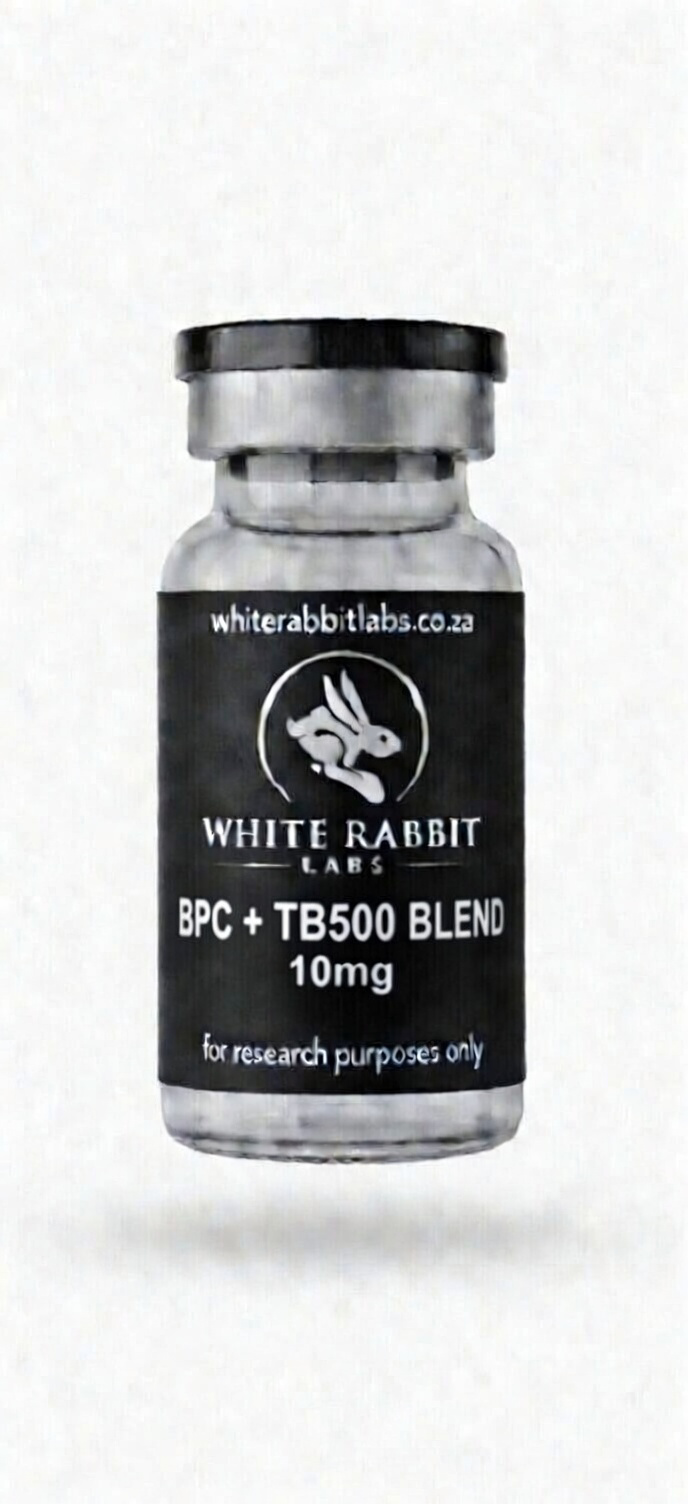
Muscle Repair, Joint and Cartilage regeneration, Joint Mobility, Flexibility, Reduced Inflammation, Gut Health, Faster Recovery
R710,00
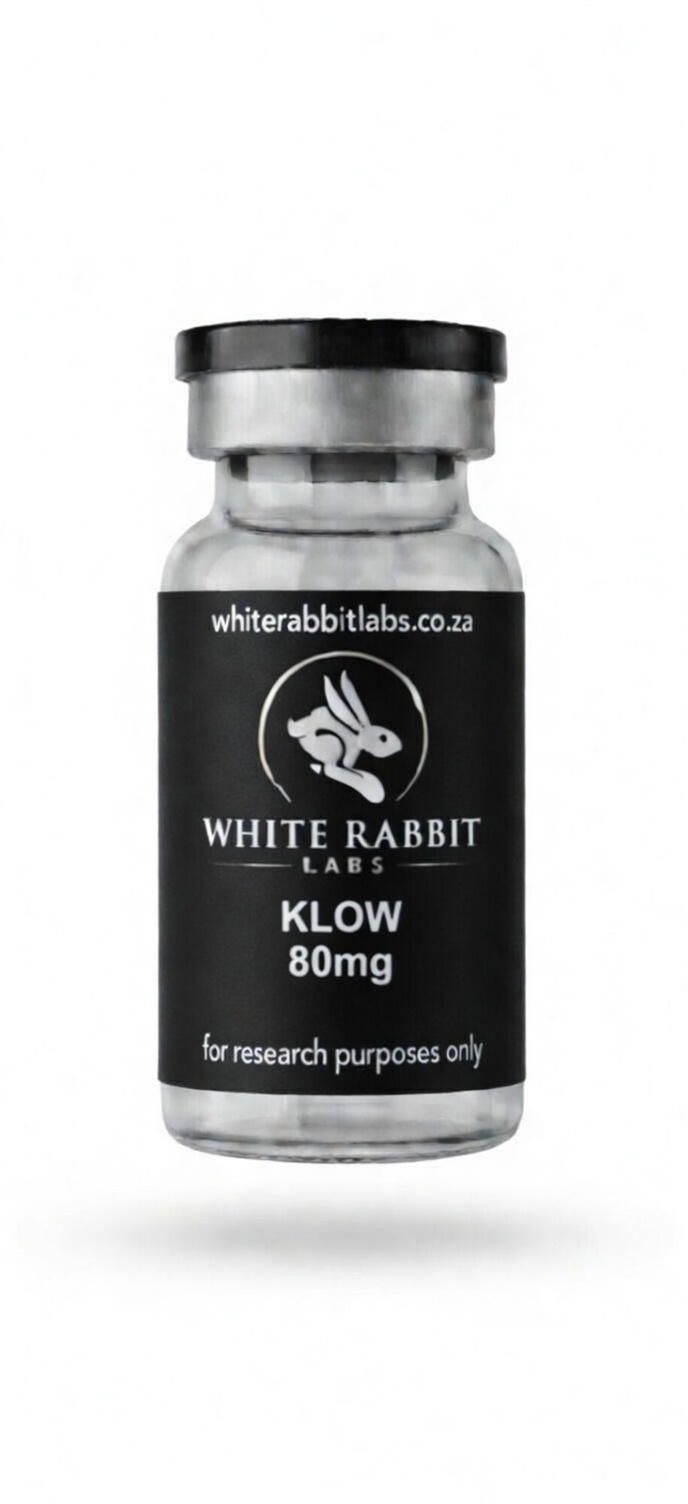
Collagen Production, Skin Rejuvenation, Antioxidant Protection, Anti-Inflammatory, Rapid Healing, Tissue Repair.
R1 400,00
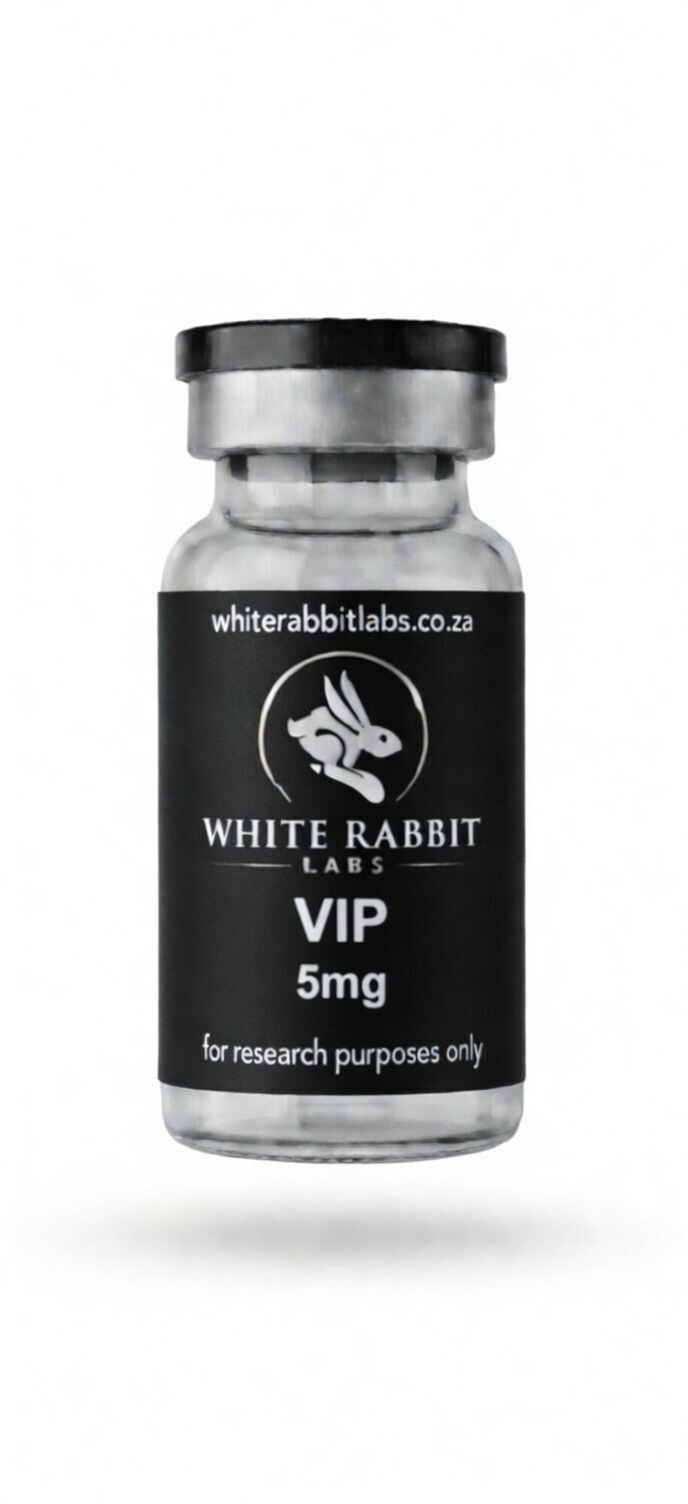
Anti-inflammatory, Immunity Modulator, Pulmonary & Vascular Support – Gut Health & Motility, Neuroprotective Effects.
R450,00
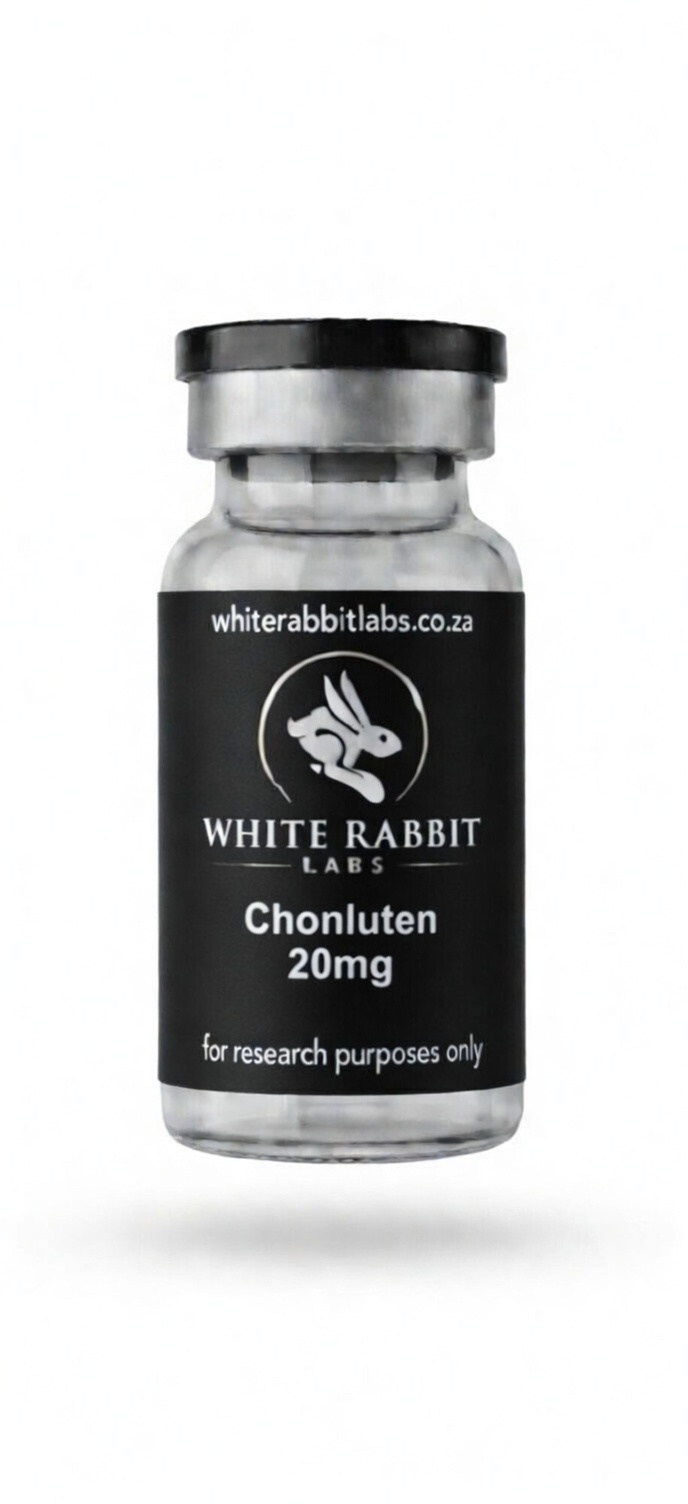
Respiratory Health, Lung Repair, Inflammation Control in Lungs, Anti-Aging for Respiratory System, GI Tract Support
R550,00
Antimicrobial Action, Wound Healing, Anti-Inflammatory, Mold Poison, Gut Health, Lung protection, Anticancer.
R550,00
Neuropathic Pain Relief, Anti-inflammatory effects, Tissue protection, Healing, Fatigue, Quality of Life.
R550,00