

Breaking Free: How NAD+ and GLP-1 Peptides Are Offering New Hope in the Fight Against Addiction
Addiction is one of the most challenging health issues of our time, affecting millions worldwide through substances like alcohol, opioids, nicotine, and even behavioral compulsions.
Traditional treatments—therapy, support groups, and certain medications—help many, but relapse rates remain high because they often don’t fully address the deep biological drivers: depleted cellular energy, dysregulated reward pathways, and relentless cravings.
Enter the exciting world of research peptides. Two standouts, NAD+ (nicotinamide adenine dinucleotide) and GLP-1 receptor agonists (like semaglutide and related compounds), are generating buzz in both scientific literature and recovery communities for their potential to restore balance at the cellular and neurological levels—essentially helping to “turn off” the impulsive drive that fuels addiction.
While these are sold strictly for laboratory and research (and are not FDA-approved treatments for addiction), emerging studies—both historical and cutting-edge—suggest profound benefits for cravings, withdrawal, and long-term recovery support. Let’s explore the science behind them and why they’re becoming a focal point for those seeking innovative tools in their wellness journey.
NAD+: Replenishing the Brain’s Energy Currency to Quiet Cravings
NAD+ is a vital coenzyme present in every cell, essential for energy production, DNA repair, and mitochondrial function. Chronic substance use depletes NAD+ levels, leading to fatigue, mood instability, and heightened cravings as the brain’s reward system struggles to function normally. Replenishing NAD+—often via intravenous or research-grade injectable forms—aims to restore cellular health, repair damage from addiction, and reduce the neurobiological pull of substances.
The foundation for NAD+ in addiction dates back to the 1960s. In a retrospective case series, Dr. Paul O’Hollaren treated over 100 patients addicted to alcohol, opioids, cocaine, amphetamines, and more with IV NAD+ (doses of 500–1,000 mg daily for several days, followed by maintenance). Patients reported rapid reductions in cravings and withdrawal symptoms with minimal side effects.
Fast-forward to modern research: A 2022 pilot study involving 50 patients with substance use disorder (SUD) used IV NAD+ combined with enkephalinase inhibition. Results were striking—statistically significant drops in craving scores (p=1.063E-9), anxiety (p=5.487E-7), and depression (p=1.763E-4) after treatment. A subset of 40 patients showed 100% negative urine tests for illicit substances midway through the protocol, highlighting potential for sustained recovery. Linear trend analysis confirmed dose-dependent benefits.
Other protocols, like BR+NAD™ developed in the early 2000s, have shown similar real-world promise in reducing acute withdrawal symptoms, stress, anxiety, and depression when combined with amino acids—leading to more complete and lasting recovery in follow-up data.
In essence, NAD+ doesn’t just mask symptoms; it supports the brain’s natural repair mechanisms, helping users feel more energized, focused, and less driven by impulsive urges. For researchers and biohackers exploring addiction recovery, this makes NAD+ a compelling peptide to study.
GLP-1 Receptor Agonists: Targeting the Brain’s Reward Center to Silence Impulses
GLP-1 (glucagon-like peptide-1) receptor agonists—peptides originally developed for diabetes and weight management—are now stealing the spotlight for their broader effects on the brain’s reward and satiety pathways. These compounds (including research versions of semaglutide and tirzepatide) mimic a gut hormone that signals fullness and modulates dopamine—the neurotransmitter behind pleasure and compulsion. By calming overactive reward circuits, they appear to blunt the “drug noise” or impulsive cravings that drive addiction across substances.
Preclinical studies consistently show GLP-1 agonists reducing intake, relapse-like behaviors, and cue-induced seeking for alcohol, opioids, nicotine, cocaine, and more.
Human data is even more encouraging. A 2025 randomized clinical trial of once-weekly semaglutide in adults with alcohol use disorder (AUD) found significant reductions in alcohol self-administration, drinks per drinking day, weekly cravings, and heavy drinking over time—plus bonus reductions in cigarette use among smokers. Effect sizes were medium to large.
A massive 2026 analysis of over 600,000 U.S. veterans with type 2 diabetes revealed GLP-1 users had a 14% lower risk of developing any new substance use disorder (alcohol, cannabis, cocaine, nicotine, opioids) compared to those on other diabetes meds. Among those already battling SUD, GLP-1s were linked to 30% fewer drug-related ER visits, 25% fewer hospitalizations, 40% fewer overdoses, and 50% fewer substance-related deaths.
Additional studies echo this: Semaglutide lowered recurrent AUD risk by up to 56% in obesity cohorts, reduced opioid cravings by 40% in small trials, and showed promise for nicotine. Researchers describe it as hitting a “common biological pathway” underlying addiction—not just one substance at a time.
For those in the research space, GLP-1 peptides represent a novel way to explore impulse control and satiety beyond food—potentially transforming how we think about addiction recovery.
Why the Hype? Synergistic Potential and a Path Forward
Both NAD+ and GLP-1 peptides target root causes: NAD+ rebuilds cellular energy and resilience, while GLP-1 dials down the reward-driven impulses. Together or separately, they’re sparking optimism in a field desperate for breakthroughs. Ongoing trials (including larger RCTs for semaglutide in AUD and OUD) continue to build on this foundation.
Of course, these are research compounds. Results vary by individual, and more large-scale, controlled studies are needed. They are not FDA-approved for addiction treatment, and should never replace professional medical care, therapy, or established protocols. Always consult a qualified healthcare provider, and use only as directed for laboratory research.
At our shop, we’re proud to offer high-purity, research-grade NAD+ and GLP-1 peptides (including semaglutide analogs and related formulations) to support your scientific exploration into wellness and recovery. Whether you’re studying cellular repair with NAD+ or reward modulation with GLP-1s, these tools could be the key to unlocking new insights—and real results.
Disclaimer: This article is for informational purposes only and based on available studies. Products are for research use only and not intended for human consumption. These statements have not been evaluated by SAHPRA or the FDA.
Ready to explore? Browse our selection below and take the next step in your research.
LOOKING FOR ADDICTION RELIEF? READ BELOW...
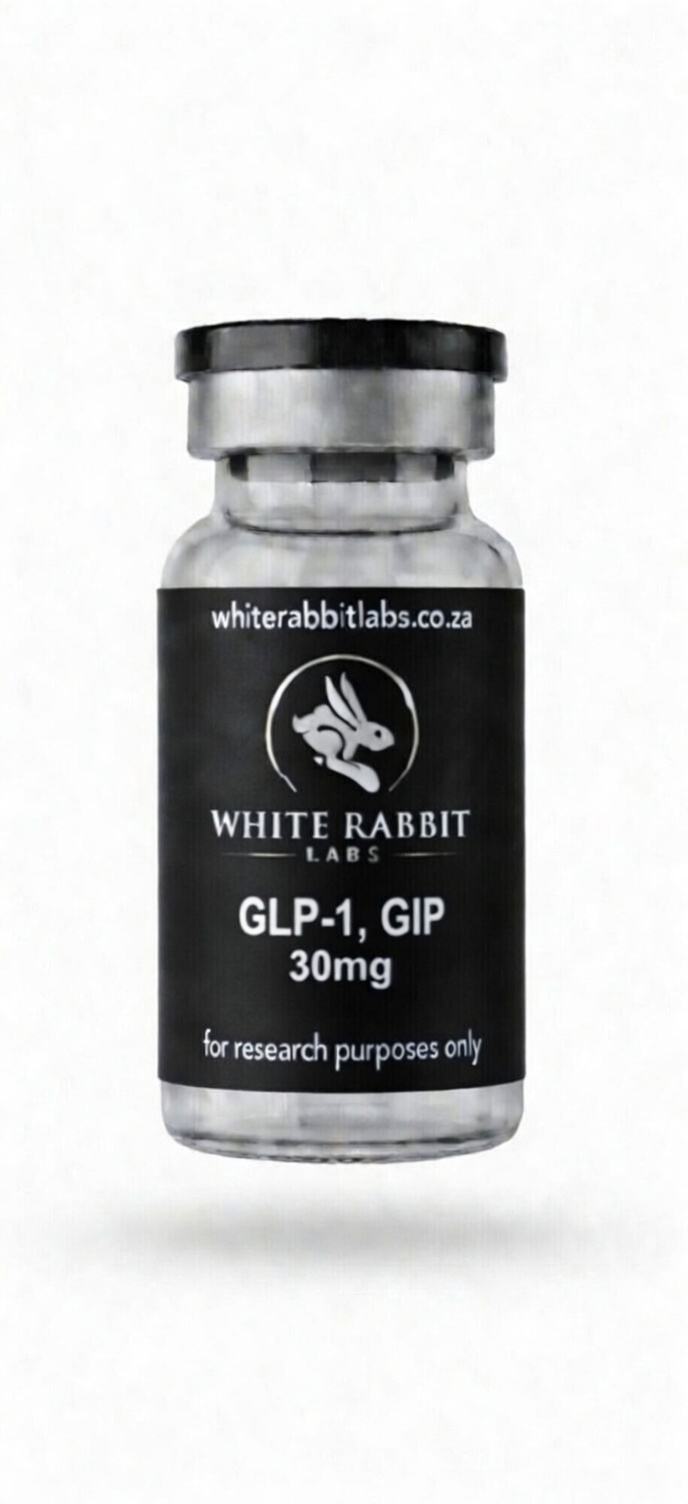
Fat-Loss Reduced Cravings, Energy Boost, Overall Vitality Boost, Improved Insulin Resistance and Metabolic Health.
R980,00
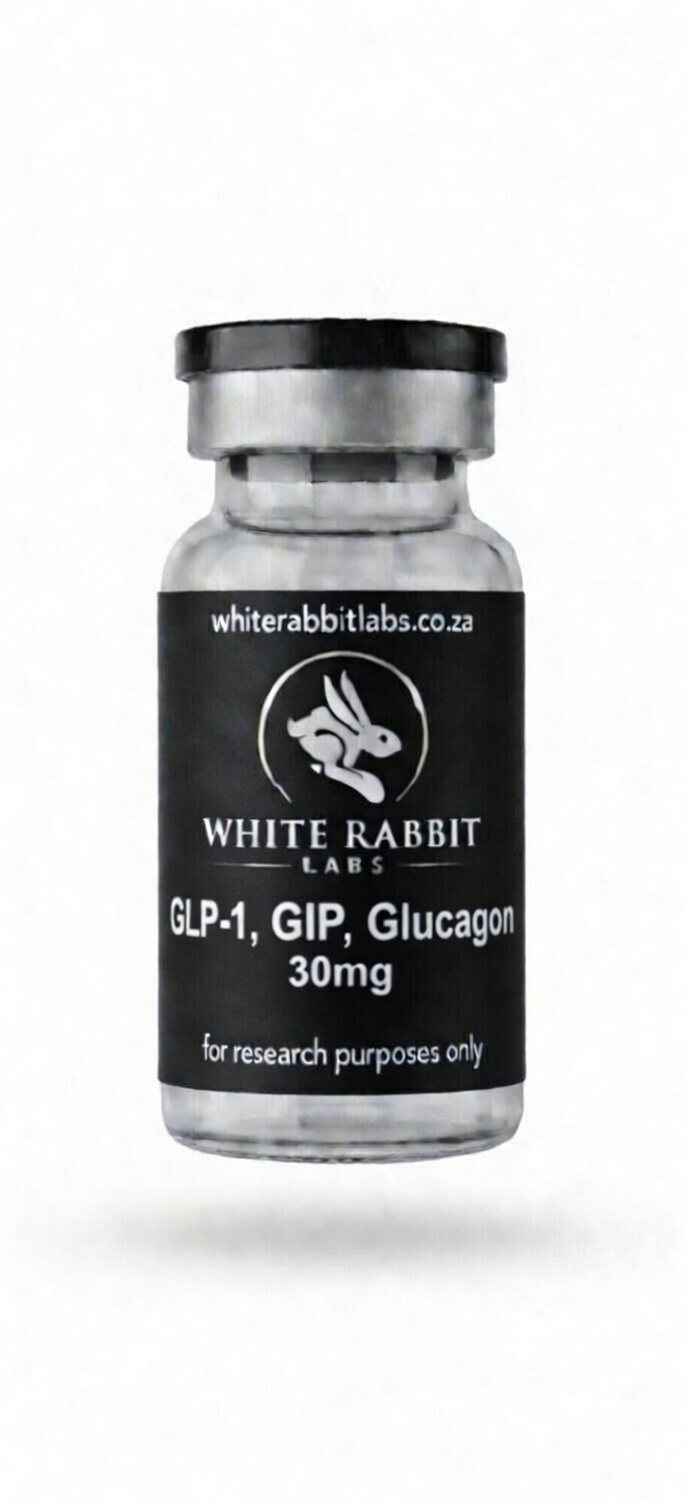
Fat Loss, Appetite Control, Improved Insulin Resistance, Body Composition, Energy Increase, Metabolic Performance, Joint Health, Mood Improvement
R1 900,00
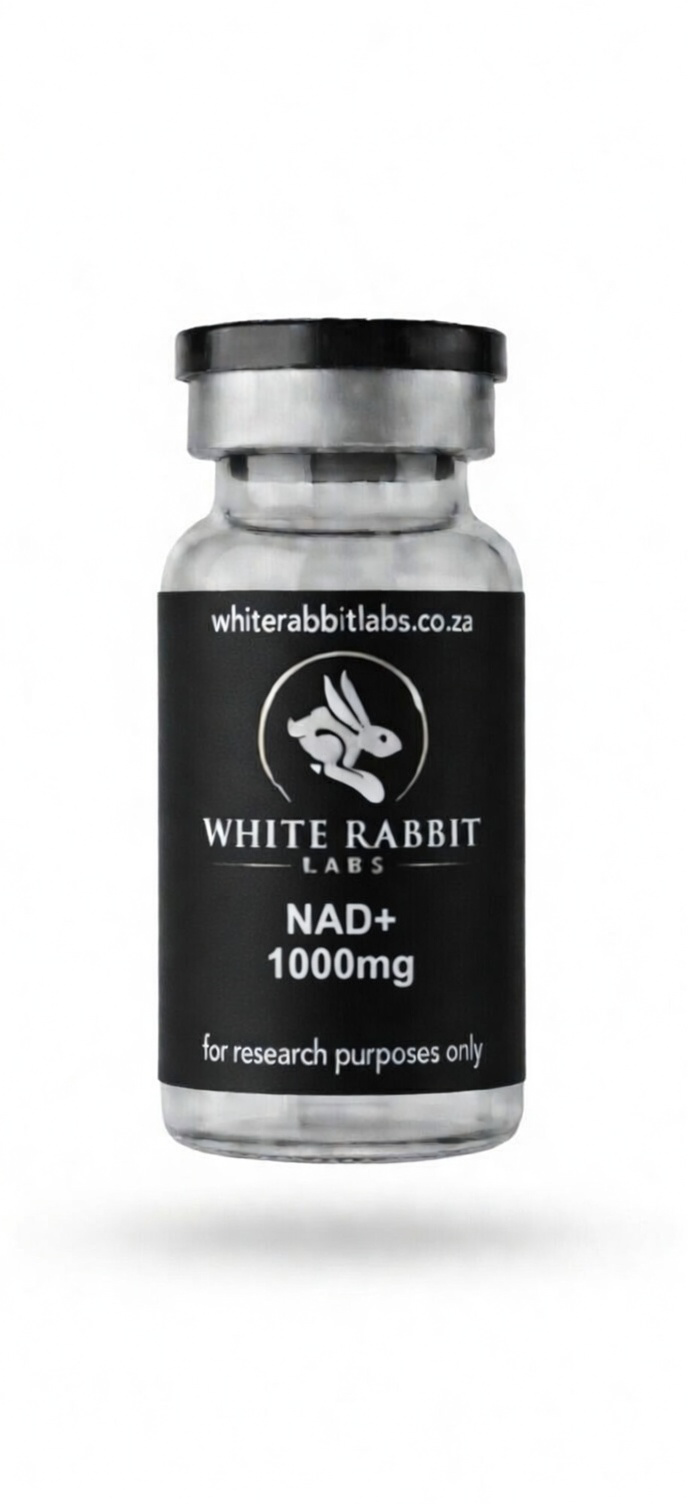
Energy, Focus, Mood Boost, Mental Clarity, Reduced Fatigue, Addiction Recovery, Anti- Aging, Neuroprotection, Reduced Inflammation.
R1 650,00